A Guide to Sublimation Printing on T-Shirts, Caps, and Mugs


Understanding Sublimation Printing
Sublimation printing is a popular method for transferring images onto various substrates, such as t-shirts, caps, and mugs. This technique uses heat to transfer dye onto materials like polyester or specially coated ceramics. The result is a vibrant, durable print that won't crack or peel over time.
One of the major advantages of sublimation printing is its capability to produce full-color designs with photographic quality. It's ideal for custom apparel, promotional items, and personalized gifts. Whether you're a hobbyist or a professional, understanding the basics of sublimation can help you create stunning products.

The Process of Sublimation Printing
Preparation
The first step in sublimation printing involves preparing your design. Using graphic design software, create or import the artwork you'd like to transfer. It's crucial to use high-resolution images to ensure a clear and sharp final print. Once your design is ready, print it onto sublimation paper using sublimation ink.
Transferring the Design
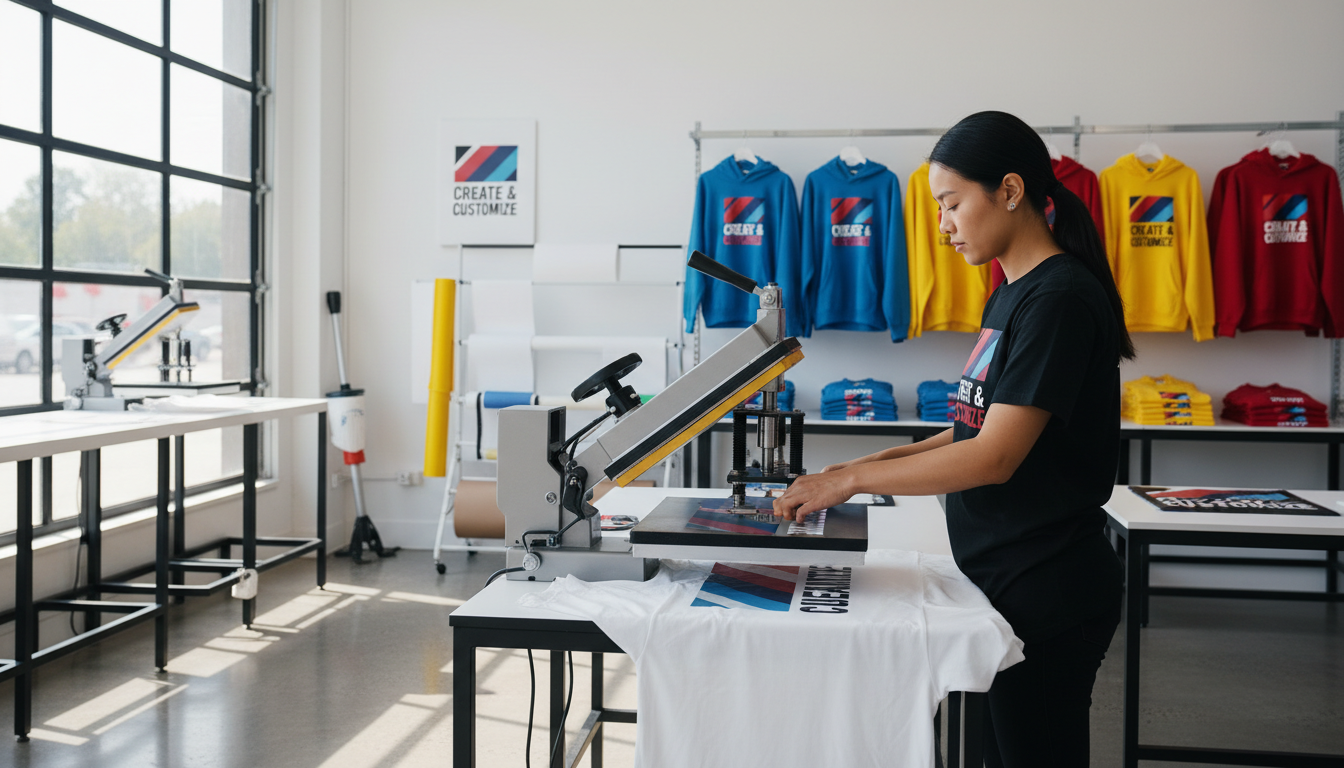
Next, position the printed design onto your chosen substrate, such as a t-shirt, cap, or mug. Make sure the surface is clean and free of any dust or debris. Use heat-resistant tape to secure the paper in place, ensuring it doesn't shift during the transfer process.
Set your heat press to the appropriate temperature and time settings based on the material you're using. Generally, polyester fabrics require a temperature of around 400°F (204°C) for 30-60 seconds. For mugs and ceramics, slightly different settings might be necessary.
Materials and Equipment Needed
To get started with sublimation printing, you'll need the following materials and equipment:
- Sublimation Printer: A printer compatible with sublimation ink.
- Sublimation Ink: Special ink that turns into gas when heated.
- Sublimation Paper: A coated paper designed for high-quality transfers.
- Heat Press: A machine that applies heat and pressure to transfer the design.
- Blank Substrates: Items like t-shirts, caps, or mugs that are polyester or have a polyester coating.
Choosing the Right Substrates
Not all materials are suitable for sublimation printing. The best results are achieved on substrates that are polyester-based or have a special polymer coating. For garments, choose fabrics that are 100% polyester or a high polyester blend. This ensures that the dye bonds effectively, producing vibrant colors.
When it comes to mugs and other ceramics, ensure they have a sublimation-friendly coating. This coating allows the ink to adhere properly, resulting in a durable, dishwasher-safe finish.

Tips for Successful Sublimation Printing
To achieve optimal results with sublimation printing, consider the following tips:
- Test Settings: Experiment with different temperature and time settings to find what works best for your materials.
- Use Quality Images: High-resolution images lead to better-looking prints.
- Avoid Moisture: Ensure substrates are dry before printing, as moisture can affect the transfer quality.
Conclusion
Sublimation printing offers a versatile and high-quality solution for customizing a wide range of products. By understanding the process and using the right materials, you can produce vibrant and long-lasting designs. Whether you're creating personalized gifts or promotional items, sublimation printing is an excellent choice for achieving professional results.